It seems nothing is simple these days.
This is common in primary care practices where often patients will present with more than one chronic health condition. Pharmaceutical treatments are being optimized as combination drugs and newer drugs are being developed where clinical trials have shown benefits to specific cohorts of patients, such as diabetes plus heart failure or diabetes plus obesity. It is helpful to understand what portion of your patients living with diabetes fall into various co-morbidity states.
Steps to Learn More About Comorbidities and Measures
To effectively manage and support these patients, it is important to identify their conditions, which are indicated on the patient’s problem list. Once on the patient’s problem list, HDC Discover will do the analysis work for you. Here’s a quick guide on how to navigate and utilize the tools available in the HDC Discover app:
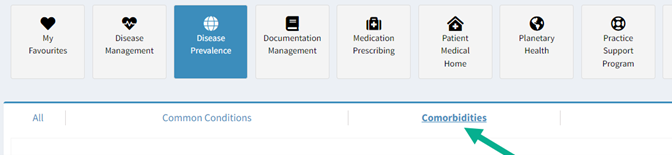
- Navigate to the Disease Prevalence Domain:
- Go to the QI Panel and select the Disease Prevalence domain. This section provides a comprehensive overview of various diseases prevalent in your community.
- Access the Comorbidities Sub-Domain:
- Within the Disease Prevalence domain, click on the Comorbidities sub-domain. This area lists various measures related to comorbid conditions.
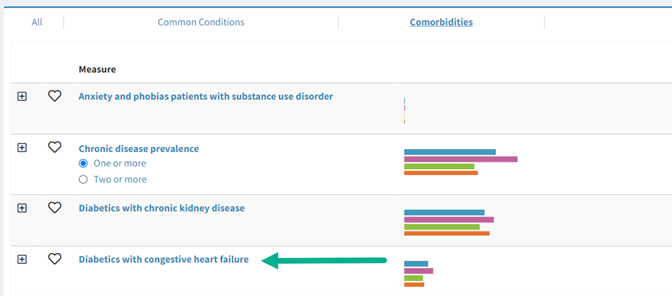
- Explore Specific Measures:
- Click on any measure from the list, such as “Diabetics with Congestive Heart Failure.” This will take you to a detailed view of the selected measure.
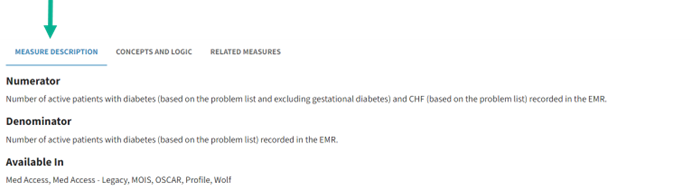
- Review the Measure Description:
- Scroll down to ensure you are in the Measure Description tab. Here, you can learn more about the problem list associated with the measure, gaining insights into the specific health concerns and conditions.
- Check Out the Concepts and Logic Tab:
- For a deeper understanding, explore the Concepts and Logic tab. This section provides information about the associated codes and logic used in the measure.
Through awareness of co-morbidities and being diligent about capturing these conditions in your patient’s health condition registry , you can be pro-active in ensuring your patients are receiving the best treatments currently available.