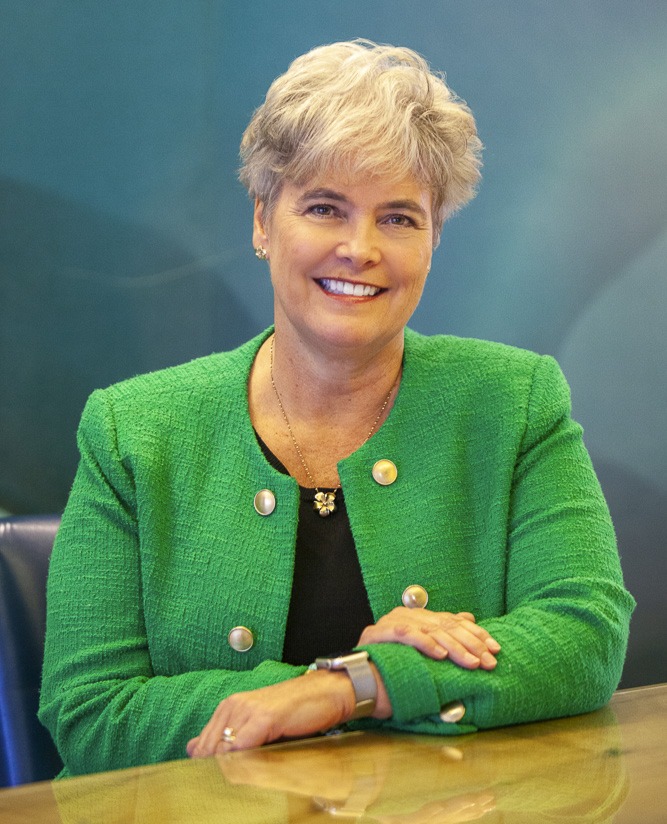
Dr. Ross has long used division-level and aggregate data to strengthen quality improvement across the system. As a faculty member in Fraser Health’s quality improvement program, she helps other physicians interpret their data and translate it into meaningful action. Her mantra is simple but powerful: “Data for improvement, not punishment.” She sees HDC as a practical platform for team-based practices, connecting colleagues across divisions while maintaining transparency and trust. “It allows us to focus on what patients actually need to be their best selves,” she explains; “from building better human resource plans to allocating resources where they’re most needed.”
That same patient focus, she says, is what makes HDC Discover so valuable. “Every day in primary care is an adventure,” Dr. Ross notes. “There’s so much to do, so many demands and it’s easy for things to fall through the cracks. The HDC Discover dashboard helps clinicians ensure that preventive care and chronic disease management don’t get missed. Unlike EMRs, which flag individual tasks, HDC reveals patterns at the practice or community level, from how many diabetics have had recent A1Cs to which COPD patients have transitioned to powder-based inhalers to reduce environmental impact. Environmental health is human health,” she adds. “And having data to support smarter care decisions benefits both.”
Looking ahead, Dr. Ross envisions a future where dashboards and AI tools work hand-in-hand to make data capture seamless and quality improvement second nature. “HDC gives us the power to build a learning healthcare system,” she says. She hopes to bring her national experience to help HDC share BC’s model across Canada, where many jurisdictions are “still reinventing the wheel.” Her vision includes more robust women’s health measures, such as tracking preeclampsia and gestational diabetes for early cardiovascular prevention, and helping clinicians use the dashboard regularly, even monthly, to review chronic disease trends or prepare for flu season. With BC’s new longitudinal payment model compensating for practice-management time, Dr. Ross believes more physicians will have space to engage meaningfully with their data.