A conversation with Chris Carvalho, newest member of the HDC Board
The Health Data Coalition is pleased to welcome Chris Carvalho to its Board of Directors. As CEO of Carveira Group Consulting and President and Board Chair of Digital Health Canada, Chris brings more than two decades of experience navigating the intersection of healthcare, business, and technology. His career has been defined by one guiding question: how do we take complex systems and the data within them to make them actually work for the people delivering and receiving care?
“They’ve taken a really unique approach, bringing together primary care data from a number of different sources and presenting it back to providers in a way that actually helps them manage their practice.”
Chris Carvalho,
HDC Board Director
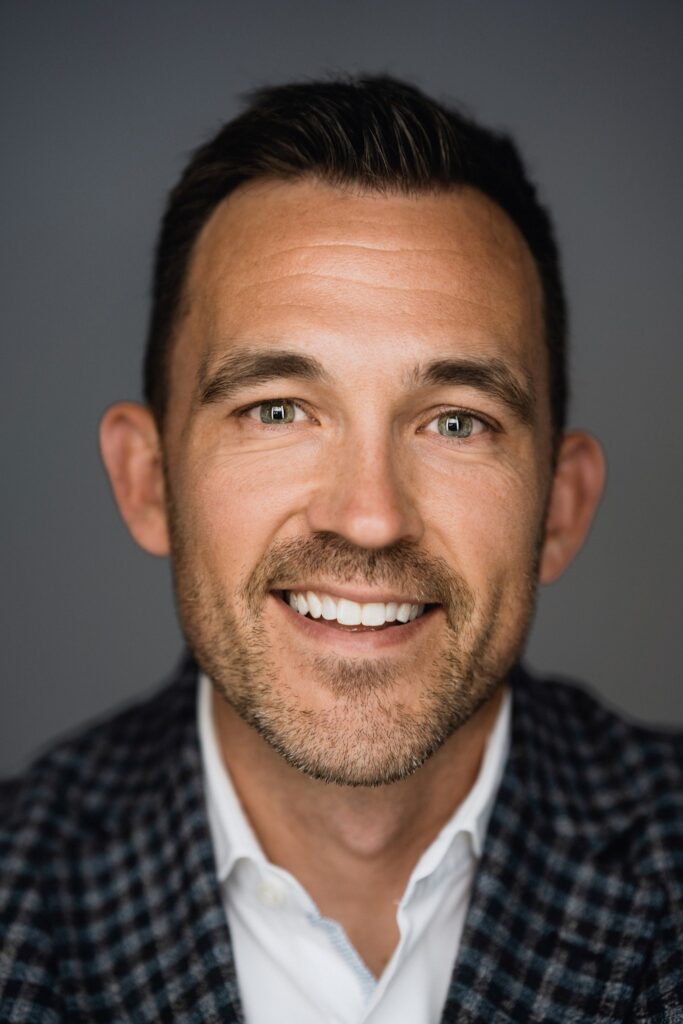
Over the past two decades, Chris has worked across nearly every layer of healthcare’s digital transformation, from early EMR rollouts to complex, system-wide implementations. Much of that work has involved translating between two worlds: innovators eager to introduce new solutions, and clinicians and organizations focused on delivering care in already complex environments. It’s a role he describes as being a “navigator,” challenging assumptions, bridging competing priorities, and helping organizations make deliberate choices about how innovation is implemented so that technology advances care delivery rather than complicating it, ultimately enabling stronger performance, long-term sustainability, and better patient outcomes.
That systems-level perspective is what drew Chris to the Health Data Coalition. Following the organization for years, he was drawn to its physician-led model and its focus on returning meaningful insights back to the clinicians who generate the data in the first place. “They’ve taken a really unique approach,” he explains, “bringing together primary care data from a number of different sources and presenting it back to providers in a way that actually helps them manage their practice.” At a time when integration and data exchange remain some of healthcare’s most persistent challenges, HDC stood out to Chris for its clear, practical value to frontline care.
Throughout his career, Chris has also seen why using healthcare data meaningfully remains so difficult. While systems often standardize how data is extracted, the way data is entered can vary widely from clinic to clinic, even when the same EMR is used. Those differences are shaped by workflows, team structures, and local realities, but they can limit how useful data becomes downstream. Too often, the system stops at extraction and reporting, without building the structures required to embed data meaningfully into clinical decision-making.
In primary care in particular, there is rarely a formalized support structure to help practices routinely engage with their data from a panel or population health perspective. Clinicians are highly effective at managing the data of the individual patient sitting in front of them. What has not been consistently embedded is the opportunity or operational support to regularly review patient groups, panels, or populations to proactively identify trends, care gaps, and opportunities for improvement.
And even when clinicians do have access to insights, another gap remains: the practical support and clarity needed to translate those insights into action. For Chris, this is where HDC’s opportunity is most compelling, not just surfacing data, but supporting physicians and care teams in translating insight into action.
Adoption, he emphasizes, comes down to trust, understanding, and support. Physicians are busy, often balancing clinical care with practice management and leadership responsibilities. Tools are most effective when they are trusted, secure, and easy to use and when responsibility doesn’t rest solely on the physician. Chris sees enormous value in enabling entire care teams, building champions, and offering practical guidance that helps clinics engage with their data quickly and meaningfully. In his experience, sustainable use isn’t driven by mandates, but by clearly demonstrating value in the context of real-world practice.
Looking ahead, Chris sees HDC at an important inflection point. With strong EMR partnerships already in place and a proven model in British Columbia, the next chapter is about growth, sustainability, and storytelling. That includes expanding integrations, increasing active use of HDC Discover, and sharing what has been built so other jurisdictions don’t have to reinvent the wheel. During his time on the board, Chris hopes to help strengthen adoption, support innovation, and amplify the story of how physician-led data governance can improve care across Canada.