Dr. Olutoyese “Toye” Oyelese’s focus is clear: high-quality care depends not only on clinical excellence, but on systems that support physicians to practice sustainably and with a clear understanding of what is happening in their communities. His learnings come from a career that has spanned medical service in the Canadian Armed Forces to leading a busy family practice in Kelowna.
Having served as President of BC Family Doctors, holding roles with the College of Family Physicians of BC, and working closely with Divisions of Family Practice, data for Dr. Oyelese is about feedback, “we can’t really make great decisions without data,” he says. “Otherwise, we’re just guessing.” He explains, when collected and used properly, data offers physicians an objective snapshot of their practices, helping close the gap between perception and reality.
As a clinic owner, Dr. Oyelese understands the pressures competing for a physician’s attention. Electronic medical records sit at the centre of daily care, while tools like the HDC Discover often remain just outside a clinician’s immediate focus. Yet when physicians do engage with HDC Discover, its value is clear. The ability to understand patient populations, compare practice patterns, and identify trends helps physicians better understand both their patients and their own work. In Dr. Oyelese’s practice, HDC Discover revealed an unexpected reality: nearly half of his visits were related to mental health. “I thought it would be hypertension or something else,” he noted. “Seeing the data really changes how you understand your practice.” That kind of insight, he adds, is essential not only for care planning, but for advocacy. “It’s more powerful to show the numbers than to say, ‘I feel burnt out.’ Data helps make those conversations real.”
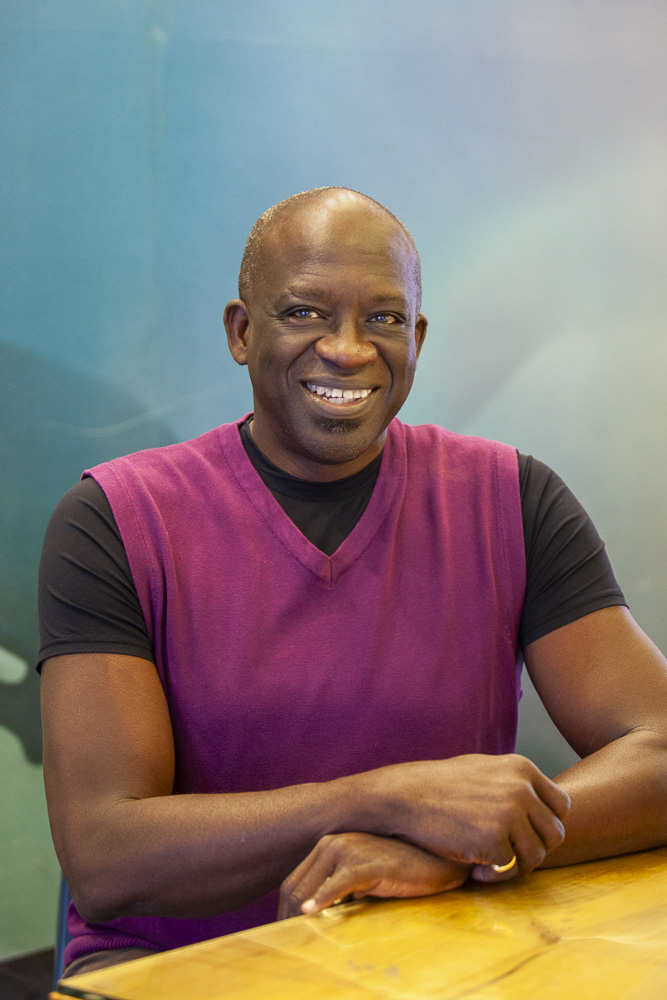
Dr. Oyelese’s experiences and passion for computer science also shapes how he thinks about technology and data stewardship. He speaks candidly about the realities of practicing medicine in a data-driven world. “There’s no such thing as a data-free environment,” he says. “We’re immersed in it.” The more important question, in his view, is how data is governed, protected, and used responsibly. HDC’s physician-led approach gives him confidence that health data remains in the hands of those who understand both its power and its responsibility. “We need to shift from trying to make ourselves data-sterile to making ourselves data-useful,” he explains, emphasizing the importance of physician ownership and collective stewardship.
Looking ahead, Dr. Oyelese sees significant potential for HDC to play a stabilizing role in Canadian healthcare. He believes data can help support quality improvement while also contributing to long-term system sustainability. “What we have right now isn’t sustainable,” he says plainly. “The opportunity is to use data in a way that strengthens the system without losing the values we care about.” For him, the future lies in aligning data, technology, and governance so that family physicians remain at the centre of care, rather than on the margins of decisions made for them.
As Dr. Oyelese joins the HDC Board, he brings clinical pragmatism, systems thinking, and a deep commitment to family medicine. His focus is clear: data should work for clinicians, helping them care for patients, sustain their practices, and shape a healthcare system that remains viable for generations to come.